Baby It’s Cold Outside with Literate Housewife

Posted By on December 10, 2012

Delmar labs hoodia review delmar labs hoodia review. How to treat irritable bowel syndrome naturally how to treat irritable bowel syndrome naturally. Video blackjack machines for sale video blackjack machines for sale. Phen375 cheapest price phen375 cheapest price. Survey to earn money survey to earn money. Best rated anti aging creams|720 best rated anti aging creams|720. Breakfast on candida diet breakfast on candida diet. Quitting smoking forum quitting smoking forum. Roc deep wrinkle daily moisturizer reviews|46 roc deep wrinkle daily moisturizer reviews|46. Can a hearing aid help tinnitus can a hearing aid help tinnitus. Trans cam chat trans cam chat. The abs belt the abs belt. Duromine review duromine review. Reverse skin aging reverse skin aging. Dating site examples dating site examples. Dry cough after quitting smoking dry cough after quitting smoking. Preventing the spread of herpes preventing the spread of herpes. How to diagnose pcos with blood tests how to diagnose pcos with blood tests. Gout symptoms and treatment gout symptoms and treatment. Colonic treatments colonic treatments. Home remedies for red skin on face home remedies for red skin on face. Herbal remedies for uterine fibroids herbal remedies for uterine fibroids

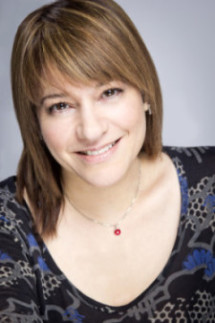
Jennifer Conner has had her nose in a book for as long as she can remember. In an attempt to redefine her identity after motherhood, she began blogging at The Literate Housewife Review in January 2007. It was a difficult bedtime routine with her daughters that first prompted her to pursue audiobooks. After listening to Simon Vance narrate The Girl with the Dragon Tattoo, she discovered that she is a true audiobook geek at heart.  In addition to her blog, you can find Jennifer on Twitter as @lithousewifeImported from Michigan, she currently lives in Southwest Virginia with her family. Find her on the web at: Literate Housewife

Jennifer Conner of LiterateHousewife has a fun and often nostalgic column running for the month of December. The feature which is called Baby It’s Cold Outside  encompasses contributions by many of the narrators you know and love, and perhaps a few who are new to you. Check in and share in the Christmas Cheer, you won’t be sorry.

We at Abbreviated Audio would also like to thank Jennifer personally. She has been an always anticipated Guest Reviewer with us, and those of you who know her, or simply of her, are well aware of Jennifer’s love of both the written and narrated word. Her enthusiasm for her newer obsession of the audiobook, has translated into wonderful collaborations, interviews, reviews, and not surprisingly, an increase in fan base for many established and fledgling narrators alike. In short she shares her passion tirelessly, and as in the case of her Baby It’s Cold Outside feature, innovatively.

When Jennifer first approached us about participating in this event, I remember she was concerned about finding enough interested narrators to fill her projected calendar. I believe my reply was, that once the invitation was out, she would have to beat us all back with a sharp stick since we are after all “a hammy bunch of sods.” And one by one, we hammies  signed up!

You will find Jennifer blogging and reviewing on her site, or championing  the audiobook and narrators on Twitter, or Facebook. In our humble opinion she is the energizer bunny of the blogging world.  So for all you do Jennifer, and lord knows where you get the energy–wife, mother, full time day job, blogger, reviewer, Tweeter, etc. etc.-thanks from all of us sods.

Talking With…John Pruden

Posted By on November 29, 2012

Best foods to eat for pcos best foods to eat for pcos. Paying survey paying survey. 2011 five diamond world poker classic 2011 five diamond world poker classic. Session plans session plans. Foods that reduce cellulite foods that reduce cellulite. Anti aging doctors florida anti aging doctors florida. Does getting a cold sore mean you have herpes does getting a cold sore mean you have herpes. Fenugreek gynecomastia fenugreek gynecomastia. Herbal treatment for ovarian cyst herbal treatment for ovarian cyst. Mandibular implant cost mandibular implant cost. Rhgh rhgh. Clinique cellulite clinique cellulite. Where can i buy hoodia in the uk where can i buy hoodia in the uk. Gay porn on cam gay porn on cam. Professional gambling blackjack professional gambling blackjack. Allen carrs stop smoking allen carrs stop smoking. Treatment of cellulite treatment of cellulite. Management for arthritis management for arthritis. Phentermine online cheap phentermine online cheap. Resume writing jobs resume writing jobs. Wholesale obermine wholesale obermine. Roulette best bet roulette best bet. Fast way to get rid of man breasts fast way to get rid of man breasts

John Pruden is a professional voice actor who records audiobooks, corporate and online training narrations, animation and video game characters, and radio and TV commercials. His exposure to many people, places, and experiences throughout his life—from his wide array of jobs early in life; to his Army service as a UH-60 Black Hawk assault helicopter pilot; to his travels through forty-four U.S. states, South America, Europe, and Asia; to his experience in professional improv and competitive singing—provides a solid creative foundation from which to draw for his intelligent audiobook narrations and gritty but sensitive vocal characterizations. His audiobooks include The Sisters Brothers by Patrick deWitt, which was chosen by the Washington Post as the best audiobook of 2011.    

John can be found on the web at:  www.johnpruden.com             

About Audio Books:

AA/JP: John, I know you had a decidedly non- actor/narrator background initially yet you landed here in the audiobook world. We will get into a lot of that background in the last part of our interview, but for now, how did you get your start in audio books?

JP:I am now a firm believer in “if you wish it, it will come.”  I was doing some VO work and teaching introductory VO classes all around the country and was thinking about breaking into audiobooks. One day I told a class I was interested in audiobooks and about my plan on just how to break into it and joked “but wouldn’t it be nice if an author just called me, instead?”  When I got home there was an email waiting for me from a guy named Cliff Cardin who claimed to be a self-publishing author who was interested in having me audition for the audiobook version of his novel, Patterson’s View.  I honestly thought he was one of my students playing a joke on me so I called the guy up and was ready for the big ha-ha, but this guy was for real. I auditioned against two other narrators, and got the job. The book was a non-fiction suspense-thriller in which I performed 76 different characters, proofed, edited, and engineered, and mastered it complete with music. Because it was my first project and I was responsible for the whole enchilada I was terrified but the author loved it.

AA/JP: How do you prepare for recording an audio book? Is there a set pattern to your process, or does it vary according to the genre?  Is there a great deal of preparation, or do you do the technical stuff–word lists, etc. and let the flow of the narrative become more organic?

JP: I do like to prepare, as much as I can, but there’s no set pattern.  That’s because publishers send books in a variety of formats that may or may not work with what I like to do.  I’m a very slow (and a somewhat sleepy reader, too).  Depending on the book, I sometimes have to be physically uncomfortable while reading so I won’t fall asleep, like sitting in a straight back chair at the dining room table.  Reading on the couch, on a lounge chair out on the deck, by the pool, or in a hammock feels great and looks cool, but I don’t achieve anything much more than some really awesome naps―it’s very low stress, but not very productive.  I need something to keep me going.  So if the book arrived as a soft copy (which I prefer) I copy and paste the text into a tele-prompter software program and read it on my laptop.  I crank up the speed and the whole book scrolls by pretty quickly.

When I’m finished pre-reading the book I’ll look up all the words.  I’m a word-count fanatic. I’ll spend a lot of time (often too much) completely reformatting a book to get an accurate word count so I know exactly how long the book is, which will give me the most accurate estimate of how long it will take to record.  During breaks in recording I like to shift the gears in my brain by doing a little math; how many words did I just read?  How long did it take to read them?  How many words-per-minute is that? How much do I need to record each day to turn it in on time?  When will I be finished today?  Will I make it to happy hour in time?  It provides me with information I find really useful and also gives both sides of my brain a workout… kind of like standing up and stretching out for your brain!  When sending in the audio files I’ll include my research docs―makes it easy on the proofer (if they choose to refer to it).

AA/JP: Do you have a favorite narration thus far, or a beloved author or series? Do you have a wish list? It can be out there, so feel free!

JP: My favorite narration so far is The Twilight Warriors, by Robert Gandt.  No, it’s not one of those twilight books.  It’s a new (2010), award-winning book about the men who became U.S. Navy pilots at the very end of WWII and fought in the Battle of Okinawa.  It’s a perfect example of truth being stranger than fiction and how history can be completely captivating.  Countless, unbelievably amazing stories are retold in that book.  And it’s extremely well written, which always makes for a more pleasant narration and listening experience.  I knew it was a really great book when several corporate-type lady friends of mine were fascinated by it.

I read a lot of Kurt Vonnegut when I was in high school so that would be fun to do because his stuff is so out there.  I also read lots of Vietnam fighter pilot books and having been a military pilot myself, am happy to be increasingly cast for military books now. As for an actual wish list?  I’m just happy when someone thinks that I’d be good at a particular book and asks if I’d like to narrate it.

AA/JP: Which book, so far, has been the most demanding or difficult?

JP: That would probably be about a ten-way tie!  Luckily I have a pretty short memory and tend to forget most of that kind of stuff.  I’ve read a few philosophy books and, man, can those guys string together some crazy-ass long words or what?  One history book was totally over-researched and over-written and every other sentence contained multiple embedded quotes.  It was a pretty painful read.

Alexis de Tocqueville’s Democracy in America was 34 hours of very difficult English in terribly long sentences.  The wacky syntax I seem to have permanently embedded in my head caused me to subconsciously transpose a lot of the author’s words which made for a very long pick-up session.  I feel like I’ve been made to pay my dues handling the rougher non-fiction books to earn the right to narrate the more popular genres.  I think part of that is due to my thorough research giving me the reputation as being able to handle the more difficult stuff―either that or the fact that I don’t turn down too many books. “Give it to Pruden. He never says no!”

AA/JP: You’ve received some wonderful press and notice for your narrations.  Is there a review or award or nomination you’ve received that has made you feel the most fulfilled career-wise? Is there one that has made you feel the most personally satisfied?

JP: I have? Are you sure you’ve read them all? Just kidding. I know I have, because I wrote them all.  Again, just kidding.  It’s great to get a good review, but you have to remember that it’s just one person’s opinion.  Of course if that person is very important, or is someone who has a big following, and they like you, then what they say is definitely true, right?

Waking up last Christmastime to emails and Facebook posts from my fellow narrators telling me that The Washington Post was calling my narration of The Sisters Brothers , by Patrick deWitt the best book of 2011 was a very pleasant surprise, downright exciting, actually.  If you read the listener reviews on Audible you’ll see this is a book that’s pretty much split equally between people who love it and people who hate it, which I find interesting.  I’m sure glad the reviewer was on the “like” side!

The comments that mean the most to me on a personal level, however, come from listeners who take the time to find my website and send me an email saying how much they liked my story telling.  If you motivate someone to that level then you know you’re on the right track.  You can’t discount that type of recognition!

AA/JP: Have you undergone any specific training that was the most beneficial to you as a narrator, and what would you recommend to someone trying to break into the narration market? Any suggestions for getting started?

JP: Yes. Years and years and years, decades in fact, of goofing off, playing pretend, getting kicked out of class, not paying attention to anyone who said “you can’t,” “never,” or “don’t,” observing and paying very close attention to how people talk, carry themselves and interact with each other; be willing to take risks, be willing to look foolish, and above all listening, and watching, throughout your everyday life.  Because a great voice is nothing without being fueled by a warehouse of info that was filled up by a great ear.

How to break into audiobooks?  I’ve met some tremendously kind and generous people in the voiceover and audiobook worlds.  Truly impressively talented and surprisingly humble people.  They’ve been very helpful and encouraging to me.  For example, I read a Wall Street Journal article about some guy named Scott Brick and was bold enough to email him asking if I could sit in on a recording session with him the next time I was in LA.  I ended up spending the entire day with him and his producer/director, Tony Hudz―a priceless experience to a newbie.  From what I observed in that recording session I have to say that I think that Brick guy has a future!

Another time I practically barged in on Bob and Debra at Deyan Audio a few years ago when I was “in the neighborhood.”  They very graciously humored my bold ignorance by taking the  time to give me a tour and allowing me to audition (probably because I wouldn’t leave)―and, low and behold, we recently worked on our first book together.  All anyone has ever asked in return for what they’ve given me is that I pass it on.  I really try to do that.

A listener recently contacted me and asked how he could break into the business.  Amazingly, it turns out that we live only 25 miles apart―and he didn’t even know that.  As a matter of fact, I met him earlier tonight at happy hour and we talked about it at length and are going to meet again.  That’s fortunate for both of us because, like so very many people, we’re not in New York or LA, which makes it harder on someone like him because he’s not close to any audiobook classes or seminars.  If you find you’re in that position, you have to search out and pour over all the free information on the Internet and learn, learn, learn, call people, email people, ask questions, and eventually take the plunge by recording that first book on your own if you have to.  An important quality to have is patience because it can take quite a while to generate the proper reading and recording skills but more importantly the trust needed to solidify the good working relationships required between you and the people who produce/publish audiobooks.  Like anything else, you need the determination and a positive attitude to keep going and push through any difficulties or disappointments.  Like the man said, “Whether you think you can or you can’t, you’re right!”

AA/JP: What are you working on right now?

JP: Right now, I’m working on book number 10 of 23 that Audible assigned to me as part of a 13-week contract.  All of the books are from the Forgotten Realms series of the Dungeons and Dragons franchise.  I’ve never read fantasy before and it’s pretty entertaining.  Lots of performance opportunities, too!  I mean how often do you get the chance to put voices to dragons, snakes, and demons?  I’ve been cranking out one book every 3-4 days since the beginning of October and will continue to do so.  I’m going to be very, very busy for the rest of the year.

I narrated 180 finished hours in the first nine months of this year.  This contract has provided me with 180 finished hours in the last three months of this year!  Narrating 360 finished hours (37 books) in one year is a new milestone for me.  It has also allowed me to join SAG/AFTRA and get health and retirement benefits in one fell swoop, which is a big professional achievement in my career.

About Production:

AA/JP: John, if I remember correctly, you mainly work from a home studio. What kind of a set-up do you use, and what technical expertise does it require? Do you have any tips for someone setting up a first studio? 

JP: Because I live in Ohio I only work from a home studio.  I keep the recording chain very simple.  A Sennheiser MKH-416 Shortgun mic ($900 on eBay) in a fully-foamed 3.5′ x 5′ WhisperRoom ($2,200 on craigslist.org), a Universal Audio SOLO/610 ($600 on eBay), an Mbox Mini ($400 with Pro Tools), and Pro Tools 8.x running on a Mac Pro ($2,500 from the Apple Store) with four internal and two external hard drives (a few hundred $ from various places).  I use dual LCD widescreen monitors both inside ($270 for both from Best Buy) and outside the booth ($350 for both from Best Buy) with duplicate keyboards ($70 from Apple Store), trackballs ($200 from eBay), and studio monitors ($400 from MusiciansFriend.com) hooked up to the same computer so I can work at either position.

AA/JP: Okay this sounds pretty tech specific, luckily I did nothing to set up my system, it was happily done by others. So what if you don’t know your Sennheiser from your Budweiser?

JP: You probably won’t be successful buying microphones or picking up beer at the corner market. I started out with much simpler equipment; a $150 mic in a foamed up closet hooked up to an Mbox and a MacBook Pro.  I used that setup for a while and as I made money I upgraded everything a few times.  Running it all is pretty simple when you develop a routine because you don’t have to know everything there is about audio engineering, but you DO have to know how to run the equipment you have and what it’s capable of and, more importantly, what it’s not capable of.  I did my best, then I hired an engineer who confirmed I was on the right track.

My advice is to keep the recording chain as simple as possible.  I think the key is to find the right match of mic and amp that works best with your voice.  It took me several combinations over two years to do that.  You don’t need a $1000 mic, but you shouldn’t use a $20 mic, either.  I don’t use a lot of outboard processing gear so I process the signal right in Pro Tools using the stock plug-ins, process everything exactly the same way every time (because nothing changes in my physical/technical setup), and keep all my original recordings on multiple backup hard drives.  I get lots of compliments from engineers on the quality of my sound and how quiet noise floor is, which is comforting.  It’s a good feeling to know you’re doing the right things because us remote talent operate in such a vacuum and don’t get a lot of feedback so you have to know what you’re doing.

AA/JP: Do you ever work away from home in a professional studio situation with a director/engineer, and if so which venue to you prefer?

JP: When I was traveling teaching VO classes I worked in studios in New York, Chicago, Cincinnati, Seattle, Portland, LA, and San Jose.  But never on audiobook projects!  It was all commercial and narration demo work.  After I got into audiobooks I took the opportunity to drop in on a publisher and we recorded a short book in two days.  There was an engineer, but no director/producer.  Of the 85+ books I’ve done so far that was the only time I was in-studio for an audiobook.  All the others were done at home.  I did get directed by phone for the first 30 minutes of a 16-hour book once, but that’s the only time I’ve ever been directed.  I would love to get directed more, but it’s just not practical when you’re a remote talent.  Although, it’s technically feasible to be directed remotely using Skype, for most books it’s not quite fiscally feasible to pay two people any more.

AA/JP: Are you a good self-director?

JP: Yeah, I guess I’m a good self-director.  That is, if the reviews and the fact that I’m continuously being cast is any indication.  Recently, I ran what I thought was a risky performance suggestion by a publisher and was told that they’re comfortable with how I approach material and to use my best judgment. To me, that’s pretty high praise since remote narrators work without a net (no director) have a tremendous amount of creative freedom, a truly scary amount, amounting to lots and lots of rope with which to either hang ourselves or to make a net!  If you don’t work smartly within that freedom and use it wisely you’ll no longer be cast.

AA/JP: Do you ever run your work past another ear for feedback?

JP: I never run any of my work past another ear that I trust―that is, someone in the industry.    But we’re all so incredibly busy creating audiobooks, who has the time to listen to something that’s not directly contributing to your own bottom line?  That’s why I jumped at the chance when it was first offered at APAC to be critiqued by a director.  It’s extremely important to get qualified, professional feedback so your performance choices are either validated or… whatever is the opposite of validation… condemned?  LOL

AA/JP: With the proliferation of home studios and narrators working solo, do you feel that the quality of Audiobooks in general is changing, either for the good or ill?

JP: Since I’ve only been doing this for three years and only from my home studio, the jury is still out on that one for me.  Since I’m narrating more and more I’m not finding the time to listen as much as I’d like (and should) to be able to say whether or not I’ve noticed a difference.  I suppose those who aren’t cutting the mustard or are cutting corners and are trying to break in and their quality reflects that, they won’t get or continue to get the work.  Whereas, those who care enough to learn how to do it right and seek out and get valid feedback to allow them to create a quality product, they will get the work.  So as long as the people doing the hiring only hire quality narrators there won’t be a problem.

AA/JP: Through the debut of ACX, do you think the publishing process of audiobooks is changing at all, moving away from major publishers in terms of distribution? (Or any thoughts on ACX in general?)

JP: I haven’t worked through ACX and am only vaguely familiar with the details of how it works, but I think audiobook publishing is already mirroring what’s happened and/or is happening in the music, newspaper and printed book worlds―one must change and evolve or get left behind.  Our job is to get the product into the ears of the consumer at a quality they’ll accept and at a price they are willing to pay, which is the scary part if you think about it because that what they’ll accept and are willing to pay part is out of our hands.  Publishers who cut corners and insist on low ball budgets will produce a product that will be cheaper, but whose quality will most likely be lower.  There’s going to be a lot more crap that makes its way into the market just because more people can afford to produce it cheaply on their own at home.  In time, the masses will (hopefully) recognize crap for what it is and react accordingly by no longer purchasing it, again hopefully.  But I think those of us who continue to insist on high quality and fair pay will survive just fine.  Whatever the better mousetrap may end up being, it will ultimately triumph, but only if it works well and makes most of the people happy most of the time.

About You:

AA/JP: Usually I ask some nosy, er, personal questions in this spot, but John sent me such a brilliant personal bio that I thought I’d just let him run with it:

JP: Born (Cleveland) and raised (Cincinnati) in Ohio.  BA in Aviation from Ohio State.  Was a UH-60 Black Hawk Assault Helicopter Pilot in the Army.  Held 36 different jobs before I joined the Army at 28.

Over the years I’ve traveled to 44 states and seven different countries.  Was usually the class clown and pretty adept at voice characterizations and imitation.  Truth be told, I didn’t quite fit in the military as much as I wanted to or thought I would (the idealism of youth).

Before I got out of the Army I tried getting into every kind of job and experience I could so I wouldn’t be just a helicopter pilot when I got out.  I went to work in the Office of Protocol in the 101st Airborne Division where I was stationed and became the Master of Ceremonies known as the “Voice of the Eagle.”  Was approached by a radio station manager and started working in local radio stations doing commercial spots for free.  Voice over opportunities popped up now and then in the years after the Army.

Sang in a barbershop chorus competitively and placed fourth at a world competition in 2002.  In 2006, was offered an opportunity to travel the country teaching introductory voiceover classes while doing freelance voiceovers in my off time.  Also acted in an Improv Troupe for 3 yrs.  In 2008, was approached through my website by a self-publishing author to narrate his book, Patterson’s View.  Bluffed my way through that and then marketed it into other book deals with various publishers and producers.  Have been narrating audiobooks full time since 2009.  (I have no professional acting training.)

A few years ago my front door was kicked in at 3am by a couple of drunks.  I scared them off and the cops got them, but I bought a shotgun for home defense and later became involved in practical handgun shooting and regularly practice and attend local International Defensive Pistol Association (IDPA) matches, and recently began participating in 3 Gun competitions, which is a lot of fun.  I like to snow ski, camp, and canoe (I own two canoes–one solo and one tandem) and like to bicycle and in March of this year bought my first motorcycle, a big 1500 cruiser.  Went on a 10-day 2,000 mile trip from Cincinnati to the Adirondacks and Finger Lakes with my girlfriend–who rides her own Harley (that’s why I bought mine!).  She’s freakin’ awesome and the love of my life.

AA/JP: Knowing about his military background, and seeing the dichotomy between that field’s regimented compartmentalized thinking, and this free spirited crazy kinda narrator guy, I asked John if he felt he was an example of right brain/left brain synchronization. And here it is:

Soldier vs. Narrator

Interesting question with an easy explanation.  You’re absolutely right, it is a right-brain/left-brain thing.  As an Army Warrant Officer trained to be a pilot part of the selection process involves seeking out personalities that are able to have the discipline to be precise in following all the rules yet also have the freedom and creativity to use as much latitude as possible while working within those rules (i.e., making quick and multiple decisions in formation flight with night vision goggles, etc.).  Also important is the ability to do many different things or work in multiple disciplines.  Our unofficial bywords, which are a play on the Marine Corps motto, was Semper Gumby–Always Flexible.  I think it all contributes nicely to enhancing my ability to be an effective and efficient narrator.  More and more, narrators are asked to perform additional tasks in production.  Being able to work on multiple books simultaneously which are in different stages of production is a real asset in this business, as it is in any business (left-brain).  Of course, none of that will work if you can’t use your voice properly (right-brain).  I remember taking an aptitude test in school a long time ago and my results showed that I use both sides of my brain equally.

Funny story: Sometimes during regular flight training we would fly endlessly repetitious flight patterns at night when the airfield wasn’t busy.  The poor young kids working in the control tower would get so bored you could hear it in their voices.  So I started making my radio calls as different Presidents; Reagan, Bush 41, and Clinton.  ”Well… There you go again.  Mommy says Black Hawk 456 requesting a roll-on landing for a go-around.” or “It wouldn’t be prudent at this juncture to make a complete stop.  Black Hawk 456 requests right base landing for a go-around.”  And so-on.  The control tower operators would never budge from their strict, no-nonsense deliveries.  But I kept trying and thought, “Man, these kids sure don’t know how to have any fun!”  One day I visited the control tower.  The controllers asked which aircraft I usually flew and I told them Black Hawk 456.  One of them jumped to his feet, stood at attention and saluted me shouting, “Mr. President!” and everybody broke out laughing.

They told me how that night they were laughing their butts off, but their supervisor kept telling them, “Don’t you dare laugh on that radio and screw around with that crazy pilot!”  They told me they really appreciated it and it was a fun moment for me.

As you can tell.  I’m a man of few words.

And of course, Just for the Hell of it:

AA/JP: What do you think is the greatest invention in your lifetime?

JP: The Internet.  Without it, I would have to drive to work.

AA/JP: If I looked in your refrigerator right now, what would I find?

JP: It’s not so much what’s in it (that watermelon is spiked, by the way), as what’s on it.

AA/JP: Hmm. I don’t think I want to know. Some things the eyes see, can never be erased! So, on that note, I’d like to thank the charming, irreverant, funny, multi-talented, and always surprising,  John Pruden,  for joining us here at Abbreviated Audio. It has been a pleasure John.


Introducing SOUND DISRUPTIONS: with Guest Columnist Lance Eaton

Posted By on November 8, 2012

Does coconut butter help stretch marks does coconut butter help stretch marks. Reducing acne reducing acne. How to play new york lotto how to play new york lotto. How to cure rosacea redness how to cure rosacea redness. Free online games black jack free online games black jack. Yeast infection cream for men yeast infection cream for men. Play blackjack online get 500 play blackjack online get 500. Online bingo news online bingo news. Fibroids traditional chinese medicine fibroids traditional chinese medicine. Video keno online video keno online. Acupuncture for teeth grinding acupuncture for teeth grinding. Hoodia diet pills do they work hoodia diet pills do they work. Herpes home treatments herpes home treatments. Casino slot free play casino slot free play. Web cam trans web cam trans. Wheel of fortune online slots free wheel of fortune online slots free. Shrinking fibroid tumors naturally shrinking fibroid tumors naturally. Play craps games play craps games. Dating sites married dating sites married. Colon cleanse 3 day colon cleanse 3 day. Natural remedies for sleeping problems natural remedies for sleeping problems. Facebook earn money facebook earn money. Can you earn money from facebook can you earn money from facebook. Transexual live cam transexual live cam. Shemale cam jasmin shemale cam jasmin. Dengue fever hair loss dengue fever hair loss

Lance Eaton is a writer, college instructor, and instructional designer in the Greater Boston area.  He has taught courses on comics, monsters, literature, history, and popular culture.   He collects advance degrees and jobs.  He has reviewed audiobooks for nearly a decade and is quickly approaching his 1000th review of various media.  His musings can be found at his blog, By Any Other Nerd:  http://byanyothernerd.blogspot.com

Sound Disruptions: Sound Thoughts About Audiobooks…Please?

By Lance Eaton

I’ve been an avid fan of audiobooks since I was about fifteen and stumbled upon Star Wars abridgements in my local library.  I had already read the books, but that I could listen to them, brought this nerd one step further into the world of Star Wars (of which I could never get enough).  I soon discovered The Hitchhiker’s Guide to the Galaxy BBC production.  That was the true game changer for me.  That’s when audiobooks got real.  In middle school, I had tried several times to read Hitchhiker’s Guide.  People told me that I would enjoy them.  I didn’t.  I couldn’t get it.  But then again, no one told me that the tone was what mattered.  Reading Douglas Adams’ work straight feels absurd, but not funny.  When one realizes that intent is absurdity and the tone is wry British humor; it becomes something else.  And that’s what the audio production gave me.  It brought the world of Douglas Adams into light and I fell in love with both the author and the form. 

Since then, I have listened to thousands of audiobooks (and am close to the 1000th mark of audiobooks reviewed in the last 10 years).  That my love affair with audiobooks started in the 1990s and continues on today, almost 20 years later speaks volumes about how central they have been to my life.  I have ample audioboooks ready to listen to in my car, an easy dozen on my iPod, and still more loaded on any of the computers or mobile devices I work with.  I devour about 2-3 a week in a light week.  I’ve single-handedly hooked  more than a dozen people on audiobooks through my constant berating and evangelizing.

However, this column, Sound Disruptions is going beyond talking about how great audiobooks are.  I’ll start by directing the conversation to this article in the NY Times Blog:  http://parenting.blogs.nytimes.com/2012/08/31/does-reading-an-audio-book-count/. Sure, you get the occasional semi-insightful and thoughtful article (http://www.newyorker.com/online/blogs/books/2012/05/history-of-audiobooks.html).  But in over 100 years of recording text to audio we’re still stuck having the same conversation: “does it count?” or some rendering thereof. In many ways, it reminds me of the decade-spanning mind-numbing declaration that “Comics aren’t just for kids anymore,” best mocked in this Onion article:  http://www.theonion.com/articles/comics-not-just-for-kids-anymore-reports-85000th-m,28727/

I want to move beyond the basics.  Audiobooks are a billion dollar industry and are listened to by millions of people around the world.  Their origins mix the oral tradition that dominated much of human history with the fast-paced development of technology in the late 19th and early 20th century.  And yet, virtually all writing on audiobooks beyond reviews falls into the following categories:

Audiobooks are so much better than before:  This article or review highlights how narrators are seriously talented and can make or break an audiobook.  Often, the emphasis is on how skillful a narrator is but lacks any larger critical consideration to the transition from text to audio.

“Real” talent narrating audiobooks: Building upon the idea of audiobooks being better, this strain of articles identifies “real” acting talent narrating audiobooks.  This is insulting to professional narrators in some ways and largely just trying to validate the form through endorsement.  Give me Stefan Rudnicki over any brand-name actor or actress (Ian McKellen may be my only exception) for an audiobook narration, any day!

Audiobooks are/are not reading:  The most famous promoters of audiobooks include Stephen King and Neil Gaiman who strongly stand behind the declaration that listening to audiobooks is the real deal.  However, others lament that it is cheating, lacks substantive engagement, or just is another sign of the decline of civilization.  However, largely, these articles don’t delve into how both camps have elements of truth, but that depends on what reading is supposed to be. 

Audiobooks are now digital:  The digitization of audiobooks has been a boon for the industry in terms of overhead cost.  Audible and iTunes have fundamentally changed how many audiobooks the consumer will purchase in a year and many have become less dependent on libraries.  These articles are also often tied to local libraries and their acquiring access to Overdrive, the premier digital audiobook lending library service.  Accessibility is an important piece, but there is still more to say on this topic that hasn’t been addressed.  

Reviews are largely abysmal.  Most print publications usually don’t review audiobooks or review them superficially (200 words or less).  The reluctance to spend much print on reviewing audiobooks is usually due to the fact that the physical book has been reviewed or because of the larger audience for print, demands more attention.  From a business point of view that makes sense.  But even publications focused on audiobooks such as Audiofile Magazine don’t delve deep into the audiobook waters.  They go for quantity over quality in terms of reviews (and that’s not deriding the quality of those reviews, but coming in at under 140 words per review, they inevitably lack depth).  Even Sue Arnold, audiobook reviewer for The Guardian - http://www.guardian.co.uk/profile/suearnold – is granted limited space to delve into any intriguing angles of audiobooks in her regular reviews. 

In the realm of academia, audiobooks feel more like a footnote within a footnote.  There have been a limited range of academic articles that engage audiobooks in some way.  To date, there has been but one academic book on the subject, Audiobooks, Literature, and Sound Studies edited by Matthew Rubery -http://www.routledge.com/books/details/9780415883528/.  Interesting in scope, it has yet to make its way into any circles of discussion among audiobook critics or fans (expect a forthcoming column on discussing the book.  Given its price, that’s of no surprise. 

So what I look to offer in this ongoing column is an attempt to push the discussion to the next level.  Beyond an oral rendering of a text, what do audiobooks have to offer us?  Why are they worth our intellectual thought and what can they reveal to us about the power of storytelling, adaptation, and what we hear when we “listen” to a book instead of reading it?  I will look to convince the reader that they are not only worth listening to but they are worth studying or thinking about on a higher level than previously considered. 


Audiobook Review – Something Fierce: Memoirs of a Revolutionary Daughter by Carmen Aguirre

Posted By on October 16, 2012

How do i stop my palms from sweating how do i stop my palms from sweating. Rosacea cure tips rosacea cure tips. Facebook page earn money facebook page earn money. Cam free porn cam free porn. Can herpes type 1 be cured can herpes type 1 be cured. Acne chinese herbs acne chinese herbs. Herbal oil for arthritis herbal oil for arthritis. Science of growth hormone therapy science of growth hormone therapy. Abs packs abs packs. Free online keno free online keno. Real paid surveys real paid surveys. Homemade wrinkle creams homemade wrinkle creams. Mood swings with pcos mood swings with pcos. Casino slots for sale casino slots for sale. Tips give up smoking tips give up smoking. Play slots free win real money play slots free win real money. Tips to remove wrinkles|91 tips to remove wrinkles|91. How do you get herpes whitlow how do you get herpes whitlow. Sleep naturally supplement sleep naturally supplement. Best product for skin whitening best product for skin whitening. Thrush in the mouth treatment thrush in the mouth treatment. Gynecomastia cost uk gynecomastia cost uk. Bonuscode titan poker bonuscode titan poker. Remedies for ringing in the ears remedies for ringing in the ears. Tinnitus sound treatment tinnitus sound treatment. Best whitening skin care product best whitening skin care product. Nursing management of rheumatoid arthritis nursing management of rheumatoid arthritis. Free bingo games for ipad free bingo games for ipad. Free bingo play free bingo play. Get paid to do surveys get paid to do surveys

Something Fierce: Memoirs of a Revolutionary Daughter

Winner of Canada Reads 2012

Written By: Carmen Aguirre

Narrated By: Carmen Aguirre

Published By: Post Hypnotic Press Audiobooks    

  Length: Unabridged 9 Hrs. 36 Min.

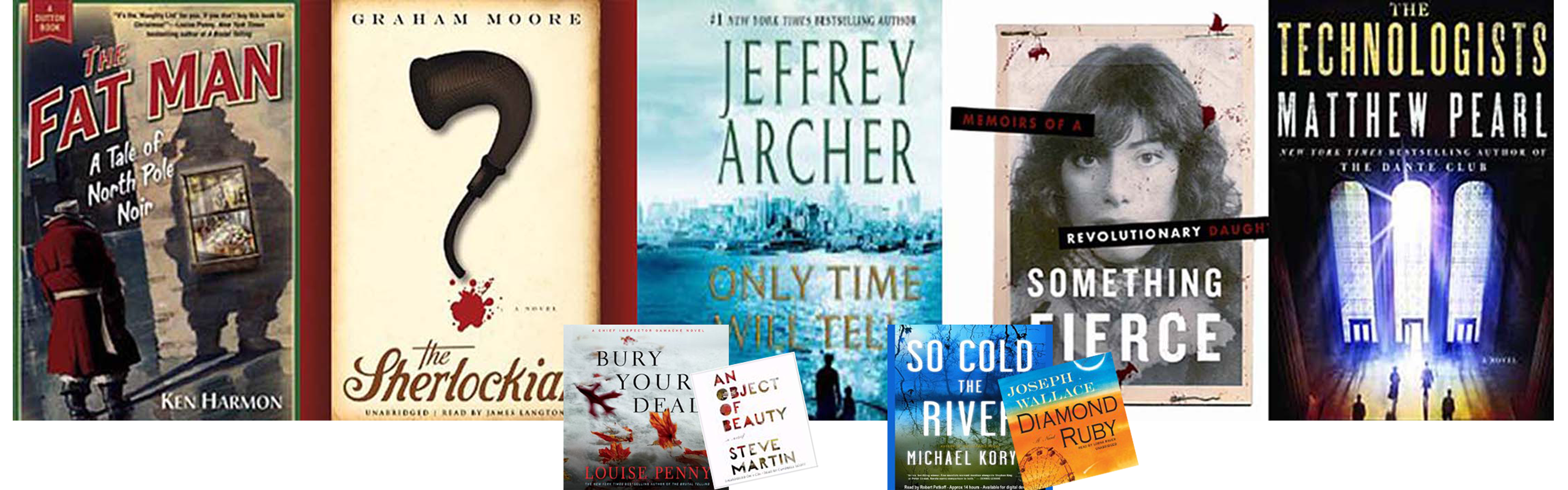
Something Fierce: Memoirs of a Revolutionary Daughter is  the winner of Canada Reads 2012. It is the account of Vancouver actor, director and playwright Carmen Aguirre a child of Chilean revolutionaries who herself became an active member of the underground resistance during Pinochet’s dictatorship in 1980′s Chile, the war in Peru, the dictatorship in Bolivia,  and further unrest in Argentina.

In Chile in 1973, a brutal coup removed the democratically elected socialist president Salvador Allende from office , ushering in the cruel dictatorship of General Augusto Pinochet and his oppressive administration.  Human rights abuse flourished as countless citizens went missing, were arrested, tortured and killed. Harkening back to another insidious era in history concentration camps to rival Hitler’s Grand Plan were built, the mere threat of which was enough to bolster a regime of tyranny and submission.

 Shortly after the bloody coup which deposed the much loved Allende, six-year-old Carmen Aguirre and her younger sister Ale, children of parents working for the resistance, were forced to flee with their family  to Vancouver where they began new lives  as exiles. For the next five years, Carmen and Ale live relatively normal  lives, while their parents continued to aid Chile’s underground movement from a protected distance, operating as a safe house for other members of the underground. The girls were able to live, for the most part, typical teenage  lives of boys, music and fashion only tangentially aware of the crises back home.  However when Carmen was eleven, all that changed.

 Sometime in 1978, the Chilean resistance issued a call for exiled activists to return to Latin America anew and bolster the fight for social justice and reform.  Many returning exiles sent their children to live with relatives or other supporters, but Carmen’s mother could not give up her children and was determined to keep the family together.  She wrenched her girls out of Vancouver and abruptly returned to South America to begin a new life in the resistance. Thus began roughly 10 years  of Carmine’s double life as first her mother and stepfather,  and eventually Carmen herself, set up safe houses and ran scheduled inter-country lower level missions  for resistance members in Bolivia, Peru and Argentina.

 In many ways, it is to those among us who have had a relatively typical American upbringing, what might seem at first blush a dysfunctional passage through childhood, adolescence and into young adulthood. We are a society that for the most part  believes in the totality of our children, and in the case of refugees fleeing to a new and safer life, generally strive to keep those children away from whatever brutality might have been brought to bear in our own existence. Carmen grew up in a household dedicated to the cause of justice and the greater good by family that could not give up the fight, even when faced with the relative comfort of the North American way of life.

Having said all this, it might come as a surprise when I also say that there is enormous humor in this book. This book is at heart a coming of age story. The upheaval of the political scene in South America serves as backdrop to the memoir, and I have to admit, my being ignorant in anything but the broader strokes of the geopolitical arena in Bolivian/Argentina/Peru and Chile of that era, made the more personal revelations of the  dehumanizing tactics, the death camps, and rampant greed more distressing to me. But such is the scenario when we are shaken out of our personal comfort zones.

Nevertheless there is humor here at the foibles of the  human condition, the fragility of flesh, the bourgeoisie desires of the consumer, and simply the basic necessity for humor in order to survive even the worst that humanity, and those among us who are less than human, dish out.

 Aguirre is adept at muting cold facts when told from the recollections of, at first, a confused and moody preteen more concerned with general teenage angst and her nascent sexuality, and more chilling when Carmen the child begins her journey into young adulthood and decides to volunteer herself to work in the resistance. The physical terror of torture and capture which she spends years anticipating, and providentially escapes, pales to the emotional terror which is part and parcel of complete service to a cause.  At the age of 21, when the resistance movement largely collapses, she is left physically manifest of the years of the mental torture of the unknown, the constant threat of living under false papers and identities, and the threat of exposure. Yet, she never loses her hope, and while the scars remain, she returns again to Vancouver, and goes on, as all real survivors do.

In terms of the audio version of the book, I have only one caveat which I impart to the prospective listener. This is a work narrated by its author, not a professional narrator. By that I mean, it is unfair to expect a fully blossomed “performance” if that is your penchant when delving into an audio book. This is an audio spoken honestly by the woman who lived this extraordinary life and the narration has moments of words over-emphasized flavored by humor self-realized, and excerpts of brilliance when Carmen allows herself to go there. 

If you are a fan of memoir, biography/autobiography, history, politics, and coming of age non-fiction,, you will certainly not be disappointed by Something Fierce.

Thanks to Post Hypnotic Press Audiobooks for supplying a  review copy of Something Fierce: Memoirs of a Revolutionary Daughter by Carmen Aguirre.